新金山中文学校校长信箱 (30/07/2026)Xin Jin Shan Chinese Language and Culture School Principal’s Message
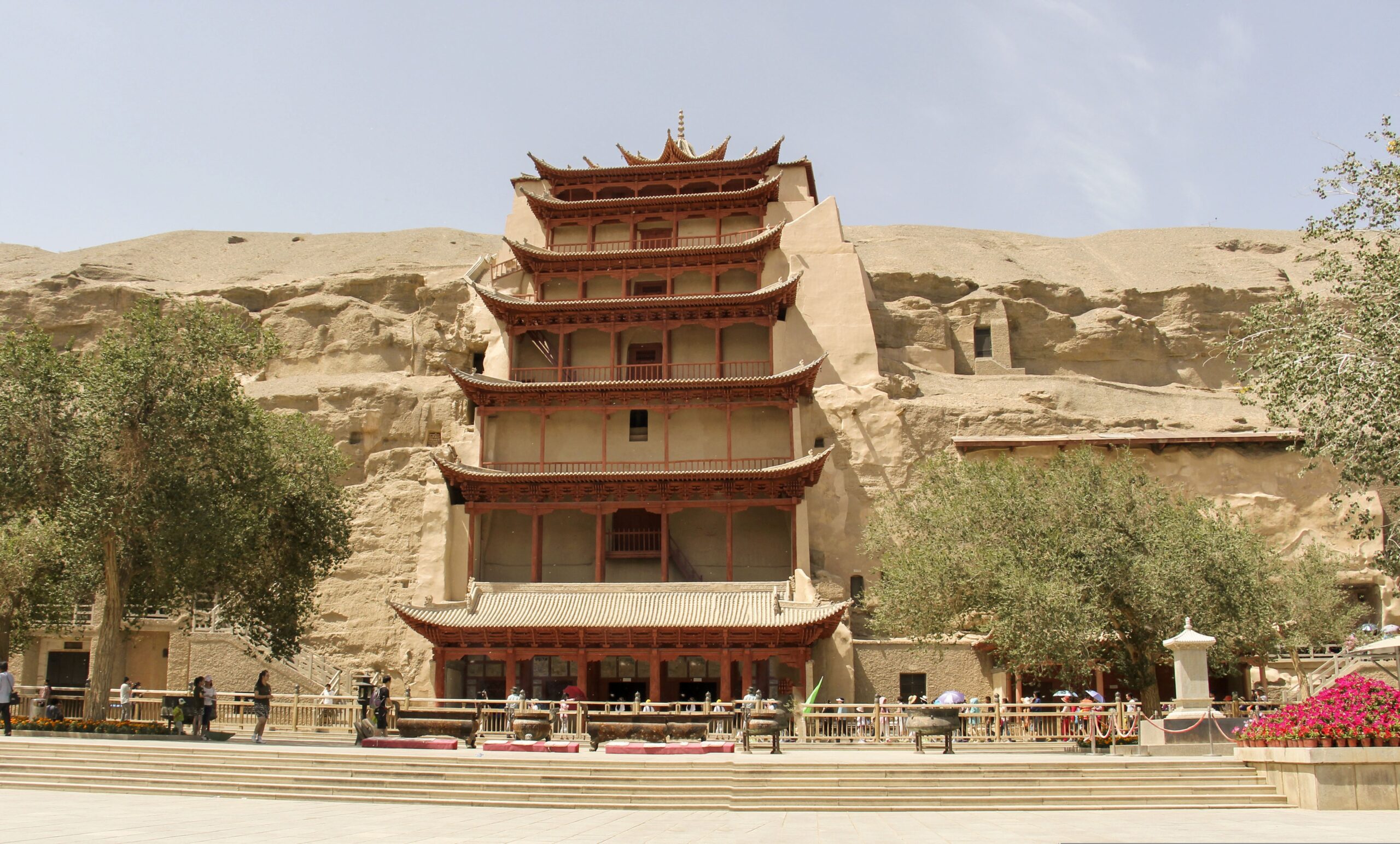
敦煌研究泰斗回信我校学子
一场跨越万水千山的文化对话
(English version available in the end)
各位老师、各位同学、各位家长:
大家好!今天有一则喜讯跟大家分享:7月24日,在北京举办的第二十六届世界华人学生作文大赛颁奖典礼上,公布了中国敦煌研究院名誉院长樊锦诗先生专门给我校精英中文部九年级吴明老师班上的崔瀚文同学亲笔回信,这份跨越中澳万里的书信对话,引发了海内外众多关注。
崔瀚文同学在我校组织下参与本次世界华人学生作文大赛,参赛作品题为《跨越时空的对话——给樊锦诗先生的一封信》,获得大赛中级组二等奖。大赛组委会读后深受触动:一位远在海外的华裔少年,发自内心地牵挂敦煌文化、主动关注文物保护,这份赤诚格外难得。组委会特意将崔瀚文的参赛文稿转赠樊锦诗先生,令人动容的是,樊老细读整封书信后,特意提笔写下回信,一场跨越大洋、跨越代际的文化双向对话就此诞生。
我认为,这不仅是一段珍贵的师生学习成果,更体现了海外华文学校在文化传承、跨文化理解和青少年成长中的积极作用,对我们学校乃至所有海外华文学校都具有启发意义。
崔瀚文同学身在澳大利亚,心底却满是对中国举世闻名的敦煌莫高窟的向往,更满怀对敦煌艺术研究和保护专家樊锦诗先生的崇敬。信中他这样写道:
假期里,妈妈给我讲述您的口述自传《我心归处是敦煌》。我被莫高窟绚烂的壁画、鲜活的彩塑深深震撼,更被您“择一事,终一生”的坚守精神打动。纵使相隔万里,我的脑海里总会反复浮现两幅画面:您独自行走在戈壁大漠的长风之中,或是静坐于安静古朴的洞窟之内,凝望千年留存的佛像与壁画。那些沉淀千年的艺术瑰宝,连同守护它们的您,在我心底生出无限敬意。
世人常称您为“敦煌的女儿”,而在我心中,您更像一株扎根戈壁荒漠的胡杨。任凭风吹日晒、风沙侵袭,依旧屹立不倒,为戈壁孕育出一片生机。从您的故事里,我读懂了超越物质的精神力量:您的朴素平凡,如同大漠黄沙,可您的风骨与担当,却重若千钧。您常说,人活着贵在精神,您守护的从来不止洞窟与壁画,是代代传承的文化火种;只要认定一件事值得,便拼尽全力、无怨无悔。
樊先生,我心中一直藏着一个心愿:未来若有机会踏上敦煌的土地,我想像您当年站在第158窟前那样,静静沐浴洞窟里千年的柔光,亲口对您说一句:“樊先生,我来看您守护了一辈子的地方。”
我们这一代海外青年,会持续聆听您讲述的敦煌故事,莫高窟的文明之光,会由我们接续传递。您扎根半生浇灌的文化大树,枝叶永远生生不息。
一个在澳大利亚,向您致以诚挚敬意的晚辈。
我在这里想特别说明的是,瀚文同学的这封信并非课堂作业,而是源于一位海外华裔少年的主动阅读、主动思考和主动表达。这样的学习过程,正体现了我们希望培养学生具备的自主学习能力、文化好奇心和社会责任感。因此,当樊锦诗先生在收到大赛组委会转发的崔瀚文同学的信后,欣然回信,全文如下:
亲爱的瀚文同学:
你好!饱含热忱的来信我已经收到,反复读了好几遍。从字里行间得知,你远在万里之外的澳大利亚新金山中文学校求学,虽从未踏足甘肃河西走廊西端的敦煌,却通过书本熟知莫高窟的壁画、彩塑,在知晓我扎根戈壁守护洞窟数十年的故事后,生出对敦煌艺术由衷的热爱、好奇与向往。读完你的来信,我深深被你对莫高窟真挚深厚的情意打动。
能看出你主动钻研、勤于思考,积累了丰富的敦煌知识,尤其对莫高窟第158窟、窟内释迦牟尼涅槃卧佛造像,有着独到且深刻的理解。身为深耕敦煌数十年的文物工作者,看到海外华裔少年如此热爱敦煌文化,我由衷感到欣慰与欣喜。
我诚挚邀请你和家人,日后一定要亲临敦煌实地游览。莫高窟历经1660余年岁月,现存735座洞窟、45000平方米壁画、2000余身彩塑,还有1900多件藏经洞出土文献艺术品。编号第17窟藏经洞保存七万余件十至十一世纪古文书,是弥足珍贵的史料。莫高窟留存的彩塑、壁画、文书,不仅是中华传统文化的无价瑰宝,更是全人类共有的世界文化遗产,值得每一个人驻足品读。
再说一说我自己,我只是一名平凡普通的文物工作者。1963年我自北京大学历史系考古专业毕业,分配至莫高窟保管机构敦煌文物研究所(今敦煌研究院),扎根戈壁整整63年。许多人问我,为何甘愿在此坚守大半辈子?答案正如你信中写到的大树与枝叶:莫高窟是参天大树,而我是依附大树生长的枝叶,洞窟离不开一代代守护者,我也舍不得离开莫高窟,愿倾尽余生微薄之力守护这片文明净土。
最后,祝你学业进步,平安康健!
樊锦诗 写于敦煌莫高窟
各位老师、同学和家长:
一纸书信跨越南北半球万水千山,一位海外华裔少年与敦煌守护者完成一场温柔又厚重的对话,带给我们海外华文教育工作者诸多启发:
1. 办好华文教育,播下文化传承的种子
我校是澳大利亚多元文化社会里的社区语言学校。我们不仅帮助学生学习中文,更希望华裔青少年透过语言了解中华文化、历史与价值观,建立文化认同,同时培养理解和尊重不同文化的能力。瀚文同学通过阅读了解敦煌、仰慕前辈,主动提笔抒发共情,正是我校深耕华文教育结出的珍贵果实。中华文化不分地域,无论身在世界何处,都能滋养华裔少年的内心。
2. 榜样精神是青少年成长的重要财富
樊锦诗先生一生扎根戈壁、坚守文物保护的初心,是跨越年龄、地域的精神榜样。哪怕远在澳大利亚,我们的孩子也能读懂“择一事,终一生”的坚守,读懂责任、热爱与奉献,树立正向的人生追求。榜样的力量不仅激励学生坚持学习中文,更能启发他们培养责任感、毅力和终身学习的精神。这些品质,无论身处哪个国家,都是青少年成长的重要财富。
3. 从文化传承到文化传播
敦煌虽然是中国的,但更是全世界人类的文化财富。海外华裔青少年能够成为连接不同文化的桥梁,在分享中华文化的同时,也学习欣赏和尊重澳大利亚及世界各地不同文化,让文化交流成为双向的理解与学习。瀚文同学的书信与樊老的回信证明:少年人的一份热爱,就能搭建起跨越山海的文化纽带。我们鼓励我校学生把在中文学校学习到的语言、文化和感悟,与主流学校的老师、同学及社区分享,促进彼此理解,为澳大利亚多元文化社会贡献自己的力量。
我们可从这件事上看到海外华文教育的价值:中文和中华文化帮助海外华裔青少年了解自己的文化背景,同时也增强他们与不同文化交流的信心。樊锦诗先生数十年坚守的精神,感动不分国界无数励志青年。
我要特别感谢瀚文同学的家长的言传身教和吴明老师的培养,也感谢所有家长重视孩子的中文学习与传统文化熏陶。希望我校同学以崔瀚文同学为榜样,多读中华历史和故事。对于学校来说,最值得欣慰的不只是学生获得奖项,而是看到他们愿意主动阅读、认真思考、真诚表达,并把课堂上的学习延伸到更广阔的世界。当语言成为沟通文化的桥梁,当阅读激发责任与梦想,我相信这也是社区语言学校教育的价值所在。一所社区语言学校真正留给学生的不只是中文能力,更是阅读的兴趣、文化的理解、思考思考的习惯,以及不同文化交流的能力。在祝贺崔瀚文同学和吴明老师的同时,我更相信,这场跨越万里的书信将成为我们学校发展历程中的一个值得珍藏的教育故事。
最后,让我们家校携手,在传承中文文化的同时,培养具有文化自信和跨文化沟通能力的华裔新一代,让中华文化在澳大利亚多元文化社会中不断焕发出新的生命力。
周末校园见!
胡培康
校长
新金山中文学校是一所教育部认可的旨在保护儿童安全的社区语言学校,如果您对我校的有关儿童安全相关政策有任何疑问或建议,请登陆我校网站 https://xjs.vic.edu.au/child-safety/或致电98881688进行查询,也可发邮件至[email protected]
Xin Jin Shan Chinese Language and Culture School
Principal’s Message
Dear teachers, students and parents,
Hello everyone! I have some wonderful news to share with you today. At the awards ceremony for the 26th World Chinese Students Writing Competition held in Beijing on July 24, a handwritten reply from Ms. Jinshi Fan—Honorary President of the Dunhuang Academy—was revealed. The letter was addressed to Hanwen Cui, a student in Year 9 class taught by Ms. Ming Wu in our school’s Accelerated Chinese Program. This epistolary exchange, spanning the vast distance between China and Australia, has garnered significant attention both at home and abroad.
Hanwen Cui participated in the 26th World Chinese Students Writing Competition under the auspices of XJS; his entry, titled “A Dialogue Across Time and Space: A Letter to Ms. Jinshi Fan,” won the Second Prize in the Intermediate Category. The organizing committee was deeply moved by the piece: it is truly rare to see a young student of Chinese heritage so genuinely concerned about Dunhuang culture and actively engaged in the cause of cultural heritage preservation. The committee forwarded Cui’s essay to Ms. Fan; in a touching turn of events, Ms. Fan carefully read the entire letter and penned a personal reply, thus initiating a two-way cultural dialogue that bridged both oceans and generations.
In my view, this represents not only a valuable outcome of the teaching and learning process shared by teachers and students but also exemplifies the positive role Chinese language schools outside China play in cultural heritage preservation, cross-cultural understanding, and youth development—offering meaningful inspiration to our school and to all Chinese language schools outside China alike.
Although Hanwen lives in Australia, his heart yearns for China’s world-renowned Mogao Caves in Dunhuang, and he holds deep admiration for Ms. Jinshi Fan, an expert dedicated to the research and preservation of Dunhuang art. In his letter, he wrote:
During the holidays, my mother told me about your oral autobiography – Where My Heart Belongs: Dunhuang. I was deeply touched by the magnificent murals and vivid painted sculptures of the Mogao Caves and even more moved by your steadfast dedication to “choosing one path and devoting a lifetime to it.” Though we are worlds apart, two images constantly recur in my mind: you walking alone amidst the sweeping winds of the Gobi Desert, or sitting quietly in an ancient, simple cave, gazing at the Buddha statues and murals that have endured for a millennium. These artistic treasures—steeped in the history of a thousand years—along with you, their guardian, have inspired a profound sense of reverence deep within my heart.
The world often calls you the “Daughter of Dunhuang,” yet to me, you are more like a Populus euphratica tree — a desert poplar — firmly rooted in the Gobi wilderness. Despite the scorching sun and the relentless assault of wind and sand, you stand tall and unyielding, breathing vitality into the barren landscape. Your story reveals a spiritual strength that transcends the material realm: while your outward simplicity mirrors the sands of the vast desert, your integrity and sense of responsibility carry immense weight. You often say that the true value of life lies in the spirit; indeed, what you have safeguarded is far more than mere caves and murals — it is the flame of culture passed down through generations. Once convinced of a worthy cause, you devote your all to it, without complaint or regret.
Ms. Fan, I have long harbored a wish: if the opportunity ever arises for me to set foot in Dunhuang, I want to stand—just as you once did before Cave 158—quietly bathed in the soft, millennia-old light within, and say to you in person: “Ms. Fan, I have come to visit the place you guarded all your life.”
We, the young generation living outside China, will continue to listen to the stories of Dunhuang that you share; the light of civilization embodied by the Mogao Caves will be carried forward by us. The great cultural tree you have nurtured with half a lifetime of dedication will forever flourish and thrive.
From a young person in Australia, extending his sincere respects to you.
I would like to let you know that this letter from Hanwen was not a class assignment; rather, it stemmed from a young student of Chinese heritage with his own initiative to read, reflect and express himself. This learning process exemplifies the qualities we aim to cultivate in students: the ability to learn independently, cultural curiosity and a sense of social responsibility. Consequently, upon receiving the letter—forwarded by the competition organizing committee—Ms. Jinshi Fan was delighted to reply. The full text of her response is as follows:
Dear Hanwen,
I have received your enthusiastic letter and read it several times. From your words, I learned that you are studying at the Xin Jin Shan Chinese Language and Culture School in Australia—thousands of miles away. Although you have never set foot in Dunhuang, located at the western end of the Hexi Corridor in Gansu, you have become well-acquainted with the murals and painted sculptures of the Mogao Caves through books. Upon learning the story of how I dedicated decades to guarding these caves amidst the Gobi Desert, you developed a heartfelt love, curiosity and longing for the art of Dunhuang. I was deeply moved by the sincere and profound affection you hold for the Mogao Caves.
It is evident that you have taken the initiative to study and reflect deeply, amassing a wealth of knowledge about Dunhuang; you possess a particularly unique and profound understanding of Mogao Cave 158 and the statue of the reclining Buddha—representing the Parinirvana of Shakyamuni—housed within it. As a heritage professional who has dedicated decades to the study and preservation of Dunhuang, I am truly gratified and delighted to see young people of Chinese heritage so passionate about Dunhuang culture.
I sincerely invite you and your family to visit Dunhuang in person someday. With a history spanning over 1,660 years, the Mogao Caves preserve 735 caves, 45,000 square meters of murals, more than 2,000 painted sculptures, and over 1,900 artifacts and documents recovered from the Library Cave. Cave 17—the Library Cave—houses more than 70,000 ancient documents dating from the 10th to the 11th centuries, constituting invaluable historical material. The painted sculptures, murals and documents preserved at Mogao are not only priceless treasures of traditional Chinese culture but also shared world cultural heritage belonging to all humanity—worthy of being appreciated by everyone.
As for myself, I am simply an ordinary professional dedicated to the preservation of cultural relics. I graduated with a major in archaeology from the Department of History at Beijing University in 1963 and was assigned to the Dunhuang Cultural Relics Research Institute (now the Dunhuang Academy)—the agency responsible for the Mogao Caves—where I have remained rooted in the Gobi Desert for a full sixty-three years. Many have asked why I was willing to dedicate the better part of my life to this place. The answer lies in the metaphor of the great tree and its foliage, just as you described in your letter: the Mogao Caves are a towering tree, and I am but a branch or leaf growing in its embrace. The caves cannot exist without generations of guardians, and I, too, am loath to leave them; I am willing to devote the remainder of my life and my modest efforts to safeguarding this sacred sanctuary of civilization.
Finally, I wish you academic progress and good health!
From Jinshi Fan, written at the Mogao Caves, Dunhuang
A single letter, traversing vast distances and spanning the Northern and Southern Hemispheres, facilitated a tender yet profound dialogue between a Chinese youth outside China and a guardian of Dunhuang—offering a wealth of inspiration to us educators in the field of overseas Chinese language education.
1. Conduct Chinese language education and sow the seeds of cultural inheritance.
XJS is a community language school operating within Australia’s multicultural society. We do more than just teaching Chinese; we aim to help young people of Chinese heritage understand Chinese culture, history, and values, fostering a sense of cultural identity while cultivating the ability to understand and respect diverse cultures. Hanwen’s initiative to express his empathy in writing—inspired by his reading about Dunhuang and his admiration for the figures of the past—is a precious fruit of our school’s dedicated efforts in Chinese language education. Chinese culture transcends geography; no matter where in the world one may be, it nourishes the hearts and minds of young people of Chinese heritage.
2. The spirit of role models is a valuable asset for the growth of young people.
Throughout her life, Ms. Jinshi Fan has remained deeply rooted in the Gobi Desert, steadfastly upholding her original commitment to cultural heritage preservation; she stands as an inspiring role model whose influence transcends age and geography. Even as far away as Australia, our children can grasp the meaning of dedicating a lifetime to a single calling—understanding the values of responsibility, passion and selflessness—and thereby cultivate positive life aspirations. The power of such a role model not only motivates students to persist in learning Chinese but also inspires them to develop a sense of responsibility, perseverance and a spirit of lifelong learning. Regardless of the country they live in, these qualities serve as invaluable assets in the growth and development of young people.
3. From Cultural Inheritance to Cultural Dissemination
While Dunhuang belongs to China, it is, even more so, a cultural treasure for all of humanity. Young people of Chinese heritage can serve as bridges between cultures; while sharing Chinese culture, they also learn to appreciate and respect the diverse cultures of Australia and the wider world, transforming cultural exchange into a process of mutual understanding and learning. The correspondence between Hanwen and Ms. Fan demonstrates that a young person’s passion is enough to forge cultural bonds that span mountains and oceans. We encourage our students to share the language skills, cultural knowledge, and insights they have gained at the Chinese school with teachers, classmates and the community at their mainstream schools, thereby fostering mutual understanding and contributing to Australia’s multicultural society.
This instance highlights the value of overseas Chinese-language education: the Chinese language and culture help young people of Chinese descent abroad understand their cultural heritage while also boosting their confidence in engaging with diverse cultures. The spirit of steadfast dedication demonstrated by Ms. Fan over the decades has inspired countless young people with aspirations, transcending national boundaries.
I would like to extend special thanks to Hanwen’s parents for leading by example and to Teacher Ms Ming Wu for her guidance; I also appreciate all the parents who prioritize their children’s Chinese language learning and immersion in traditional culture. I hope our students will look to Hanwen as a role model and read more about Chinese history and stories. For the school, the greatest source of gratification lies not merely in students winning awards, but in seeing them take the initiative to read, think deeply, express themselves sincerely and extend their classroom learning into the wider world. When language serves as a bridge for cultural communication, and when reading sparks a sense of responsibility and inspires dreams—that, I believe, is the true value of education in a community language school. What a community language school truly imparts to its students goes beyond Chinese proficiency; it fosters a love for reading, cultural understanding, the habit of critical thinking and the ability to engage in cross-cultural exchange. While congratulating Hanwen and his teacher Ming Wu, I am confident that this exchange of letters—spanning thousands of miles—will become a cherished educational story in the history of our school’s development.
Let us join hands—home and school together—to pass on Chinese culture while nurturing a new generation of Chinese Australians who possess cultural confidence and cross-cultural communication skills, ensuring that Chinese culture continues to radiate new vitality within Australia’s multicultural society.
Let’s see you on campus this weekend.
Yours sincerely,
Kevin Hu, Principal
Xin Jin Shan Chinese Language and Culture School is a DET-accredited Child Safe community language school. If you have any concern and suggestions regarding the school’s child safe policy, please feel free to visit https://xjs.vic.edu.au/child-safety/ or call us at 9888 1688 or email us at [email protected]